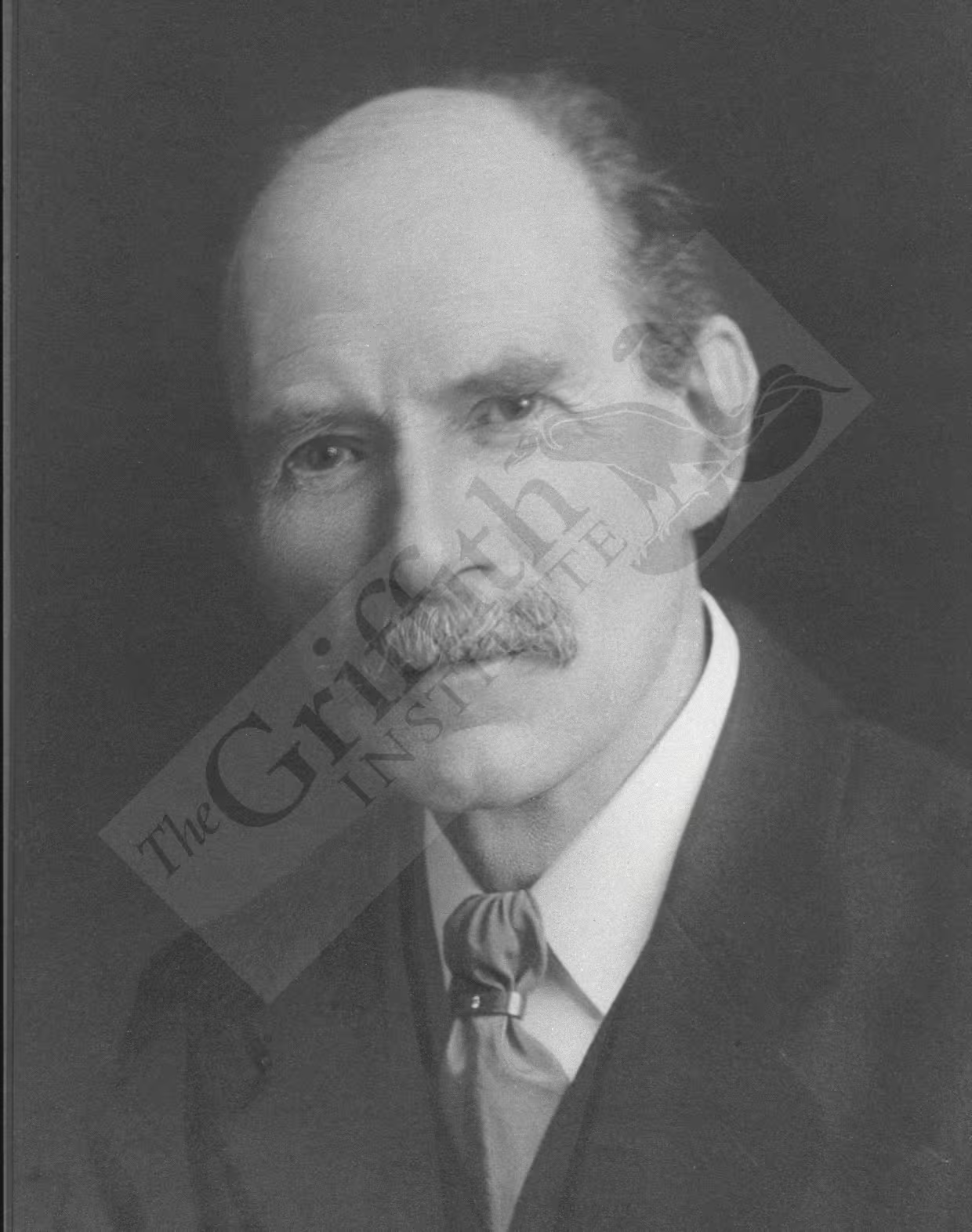
Alexander Scott
Daniels, Vincent. 2025. Alexander Scott and the Early Years of the British Museum’s Research Laboratory (1920–1924). Studies in Conservation, 1–12 [https://doi.org/10.1080/00393630.2025.2472111]; Robertson, Robert. 1948. Alexander Scott. 1853–1947. Obituary Notices of Fellows of the Royal Society 6 (17), 251–262 [https://www.jstor.org/stable/768921]
Scottish chemist. Born Selkirk, 28 December 1853, son of Alexander S., Rector of Selkirk Academy. He studied science at the University of Edinburgh and the University of Cambridge. After teaching science at Durham School, 1884–1891, he became a Demonstrator in Chemistry at the University of Cambridge, 1891–1896. From 1896 until 1911 he was Supervisor of the Davy-Faraday Research Laboratory; from 1911 until 1919 he worked unpaid for the Chemical Society, of which he was President 1915–1917, and did private research.
In 1919 he conducted an inquiry into the condition of objects in the British Museum collection alleged to have suffered deterioration from storage in the London Underground during World War I, and in 1920 was appointed the first director of the research laboratory at the British Museum. Harold J. Plenderleith (1898–1997) joined him there as assistant in 1924, and during the 1920s and 1930s he and Plenderleith laid the foundations of scientific conservation in the United Kingdom.
At the invitation of Howard Carter (1874–1939) he visited Luxor during the 2nd Season to act as consulting chemist on the preservation of objects from the tomb of Tutankhamun. He worked on the conservation of the pall covering the second shrine, and investigated the red-patinated gold he saw there. He exhibited photographs of three specimens of linen cloths found in the tomb of Tutankhamun to the Faraday Society, reported in the Transactions of the Faraday Society (1924).
He retired from the British Museum in 1938. He died in Ringwood, Hampshire, 10 March 1947.
Image reproduced courtesy of the Royal Society of Chemistry Library
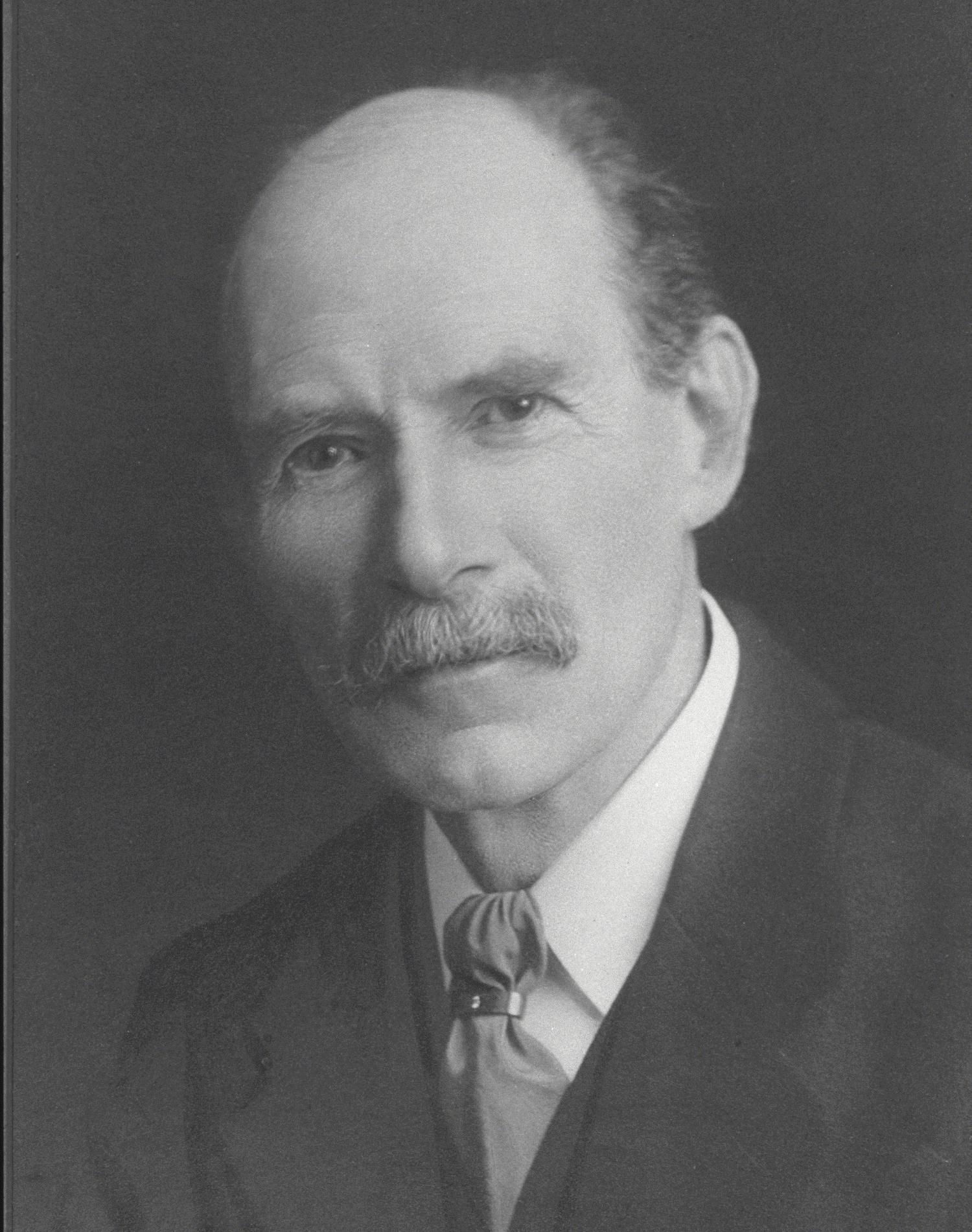
© Royal Society of Chemistry